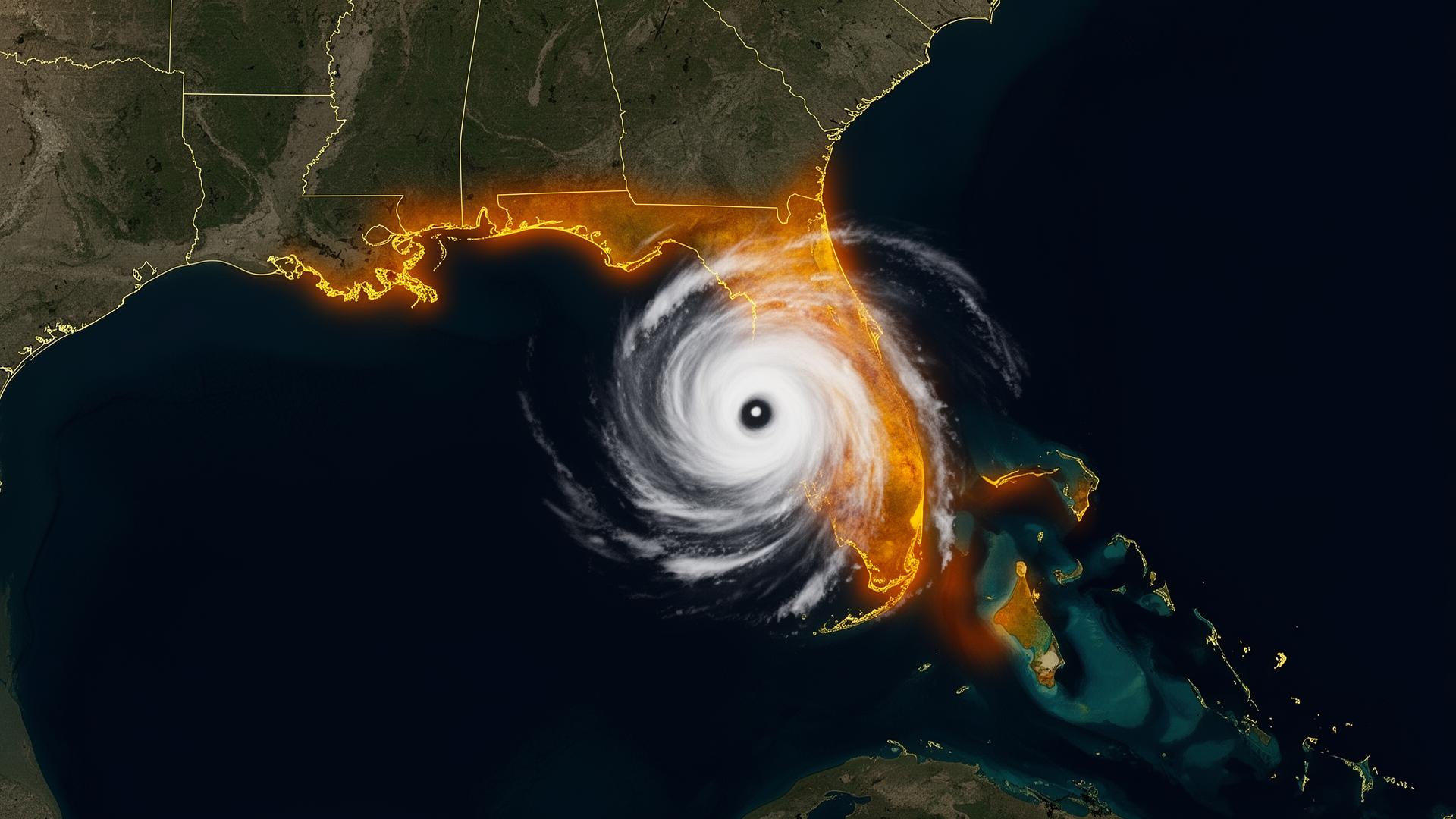
Texas floods come from three directions.Your garage only has to fail once.
367 miles of Gulf coastline. The Hill Country flash-flood corridor. The fourth-largest city in America built on a coastal floodplain. Texas has more collector vehicles than any state except California — and more flood-loss exposure than any state except Florida.
Gulf hurricanes · Flash floods · Urban drainage failure
Sources: NOAA National Hurricane Center · NOAA NCEI Billion-Dollar Weather and Climate Disasters · National Weather Service. Figures reflect published agency totals; rounded where noted.
High-risk regions of Texas — and what's stored there.
Houston / Galveston
Harvey-class rainfall events plus Gulf surge. Heavy concentration of restored muscle cars, late-model exotics and Houston-area private collections.
Bolivar Peninsula / Beaumont
Ike storm-surge corridor. Coastal collections and inherited family vehicles stored in slab-on-grade garages.
Corpus Christi / Coastal Bend
Direct hurricane landfall zone (Harvey, Hanna). Heavy classic American truck and muscle ownership.
Austin / Hill Country
Flash Flood Alley — the most dangerous flash-flood corridor in North America. Six-hour warning windows on Onion Creek, the Blanco and the Guadalupe.
Dallas–Fort Worth
Trinity River flooding plus urban drainage failure in Highland Park and University Park collections.
San Antonio
Olmos Basin flash flooding. Concentration of restored vehicles in older neighborhoods with century-old storm infrastructure.
The Texas pre-storm checklist.
Whether the threat is named, or it's just the radar lighting up over the Hill Country.
- T-48 hrConfirm garage drainage is clear. Move floor-stored items. Pre-position FloodVault at the front of the vehicle.
- T-24 hrOpen and inspect. Verify the TIZIP track is clean. Confirm your deployment path.
- T-6 hrDeploy. 8–12 minutes solo. Close the zipper. Verify continuous seal along the base.
- T-0Evacuate inland — or just go to bed. The vehicle is sealed.